Object Identification and Certificate Verification
An antique icon should be accompanied by clear documentation. At Ikonen Mautner, physical markings and digital records complement the written assessment. They help connect an individual object with its certificate.
Identification does not replace art-historical assessment. Inventory numbers and technical identifiers support identification, while the assessment records the specialist conclusions about date, origin, imagery and condition.
Inventory numbers and certificates
The icon or inventory number provides a reference for connecting a work with its documentation. The documented certificates also carry serial numbers and the stamps and signatures of their respective issuers.
Inventory numbers, certificate serial numbers and technical chip identifiers serve different purposes and need not contain the same sequence of digits. Verification concerns their connection to the particular object.
Holograms, UV stamps and wax seals
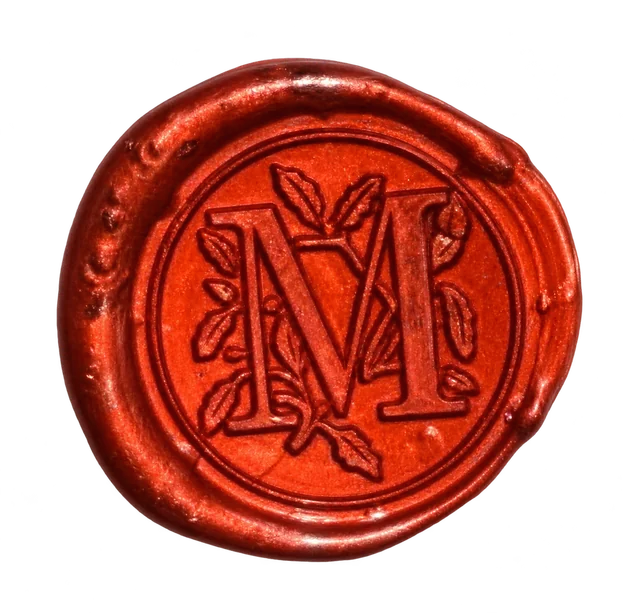
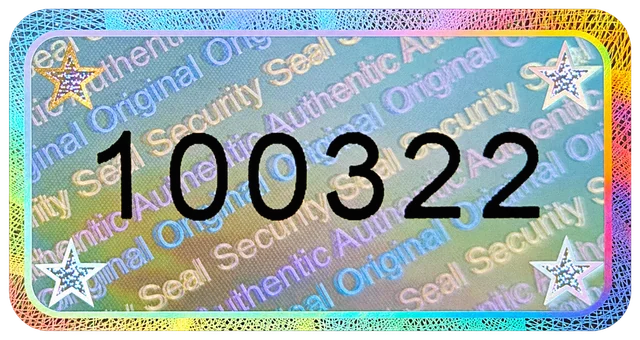
Depending on the version, a hologram with a certificate serial number, a UV stamp and the Ikonen Mautner wax seal complement the paper documentation. The UV stamp becomes visible under suitable ultraviolet light.
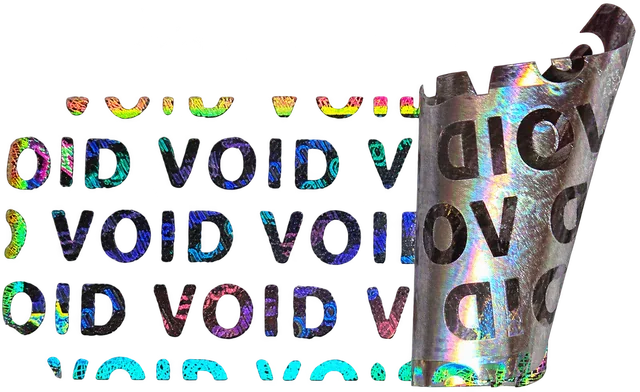
The corresponding hologram stickers on the icon and its written expert assessment link the physical document to the specific icon for which it was issued. Comparing the hologram identifiers on the object and the paper assessment makes this connection verifiable.
RFID: identification within the wooden panel
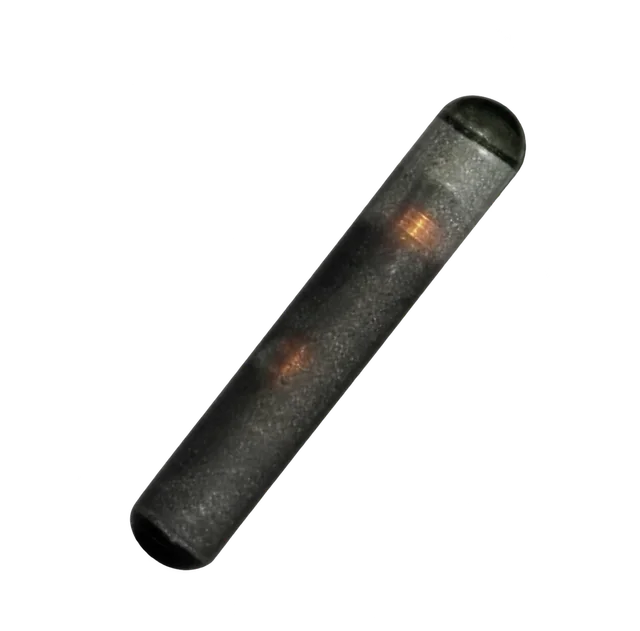
For the embedded identifier we use a passive RFID transponder based on the EM4305. According to the product specifications, it measures approximately 1.25 × 7 mm, operates at 134.2 kHz and carries a 15-digit identification number. It needs no battery: a suitable RFID reader supplies the energy required to read it.
According to the manufacturer, the EM4305 has a total of 512 bits of EEPROM memory. The transponder used is offered with a Parylene coating. Its readable identification number can be compared with the RFID number recorded on the assessment.
In the installation method described here, the chip is placed in a hole approximately 1 cm deep on the underside of the icon. The opening is closed with wood filler paste. This constitutes an intervention in the wooden panel.
The embedded 134.2 kHz RFID transponder and the NFC label are two separate identifiers. An ordinary smartphone NFC reader cannot read the embedded low-frequency transponder.
The embedded chip also provides an additional identifier that can be linked to the individual object. Unlike an external label, it cannot be removed without a further intervention in the wooden panel. If an icon is stolen and later recovered, comparing the scanned identification number with its records can help identify it. The chip does not provide location tracking.
NFC and Flowcode: access to the digital expert assessment
The NFC label on the back of the icon links to the digital expert assessment via Flowcode. The QR code on the certificate also provides access to the digital expert assessment.
NFC requires a compatible smartphone or reader; the QR code can be opened using a suitable camera app. The link makes the records easier to access but does not replace comparison with the physical object.
The QR code uses Flowcode and can point to a web page or PDF. The destination can be updated. Please also retain the certificate documents provided to you.
Considering the object, its markings and assessment together
To identify an object, compare the certificate details with the icon. The front, back, dimensions and individual condition features are relevant alongside the numbers.
RFID, NFC, QR codes and physical markings are aids to identification and documentation. A readable identifier or accessible link alone does not establish age, origin or attribution. These are matters for specialist assessment.
Help with identification
If you have questions about a certificate or marking, please contact us with the inventory or certificate number. We can help connect the documentation with the object concerned and clarify any inconsistencies.